
ABS/APAVE Welder Qualification Certificate Test
- Home
- ABS/APAVE Welder Qualification Certificate Test
Our Other Services
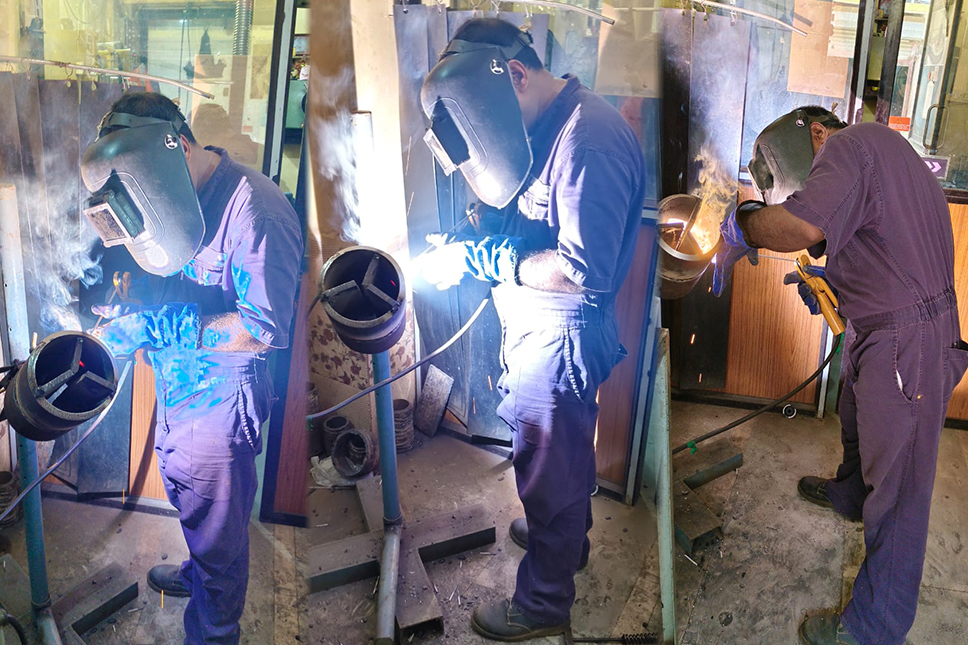
ABS / APAVE Welder Qualification Certificate Test – Complete Guide
🌐 Overview of ABS & APAVE
⚓ ABS – American Bureau of Shipping
ABS is a leading international classification society, headquartered in the United States. It sets safety and quality standards for:
- Marine vessels
- Offshore structures
- Shipbuilding & Naval projects
- Oil & gas fabrications
🛡️ APAVE – France-Based Certification Body
APAVE is a renowned European third-party inspection and certification organization that specializes in:
- Industrial safety
- Welding certification
- Regulatory compliance
- Inspection and technical training services
Both ABS and APAVE offer internationally recognized welder certification programs that validate a welder’s ability to meet global quality and safety standards.
🧰 What is the ABS/APAVE Welder Qualification Certificate Test?
This test certifies welders based on international welding standards and codes (such as ASME, AWS, ISO), ensuring they can produce high-quality, code-compliant welds in real-world marine and industrial applications.
Welders are tested using approved Welding Procedure Specifications (WPS) and must demonstrate skill, consistency, and safety awareness.
🔍 Scope of the Test
✅ Welding Processes Covered:
- SMAW (Shielded Metal Arc Welding)
- GTAW (TIG Welding)
- GMAW (MIG/MAG Welding)
- FCAW (Flux-Cored Arc Welding)
- SAW (Submerged Arc Welding)
✅ Materials:
- Carbon Steel
- Stainless Steel
- Duplex / Super Duplex
- Inconel, Nickel Alloys
- Marine-grade Aluminum Alloys
✅ Test Coupons:
- Plate or Pipe, depending on industry application
- Position-based tests: 1G to 6G (All Positions)
- Thickness and diameter as per code or client/project requirement
📋 Testing and Evaluation Process
🔎 Inspection & Testing Includes:
- Visual Examination of weld profile and bead
- NDT (Non-Destructive Testing) like:
- Radiographic Testing (RT)
- Ultrasonic Testing (UT)
- Liquid Penetrant Testing (LPT)
- Magnetic Particle Testing (MPT)
- Destructive Testing (if applicable):
- Bend Test
- Tensile Test
- Macro & Fracture Tests
📄 Certificate Details
After successful testing, the welder receives an ABS or APAVE Welder Qualification Certificate, which includes:
- Welder’s name and ID
- Welding process used
- Test position, thickness, and diameter range
- Base and filler materials
- WPS number
- Inspection method(s)
- Certificate validity and continuity requirements
🕒 Validity & Renewal
- Certificate Validity: Typically 2 years
- Continuity Records: Must be maintained through regular welding activity
- Requalification: Required if welding is discontinued for a certain period or performance drops
🏆 Benefits of ABS / APAVE Welder Certification
- Globally recognized and respected across industries
- Essential for jobs in:
- Shipyards
- Offshore rigs
- Oil & gas projects
- High-pressure vessel fabrication
- Demonstrates high-level welding skill and compliance
- Improves employability in international and domestic projects
- Enhances project quality assurance and reduces rejection rates
- Required for third-party audited or export-oriented projects
👷♂️ Who Should Apply?
- Welders working in:
- Marine and Shipbuilding
- Oil & Gas Fabrication
- Power Plant Construction
- Heavy Engineering
- Companies looking to certify their welders for ABS/APAVE class projects
- Individuals seeking global job opportunities in welding and fabrication industries
📍 Where to Get Certified?
Certification tests can be conducted:
- At ABS or APAVE approved test centers
- Onsite (with prior arrangement and approved facilities)
Through third-party inspection agencies recognized by ABS/APAVE
